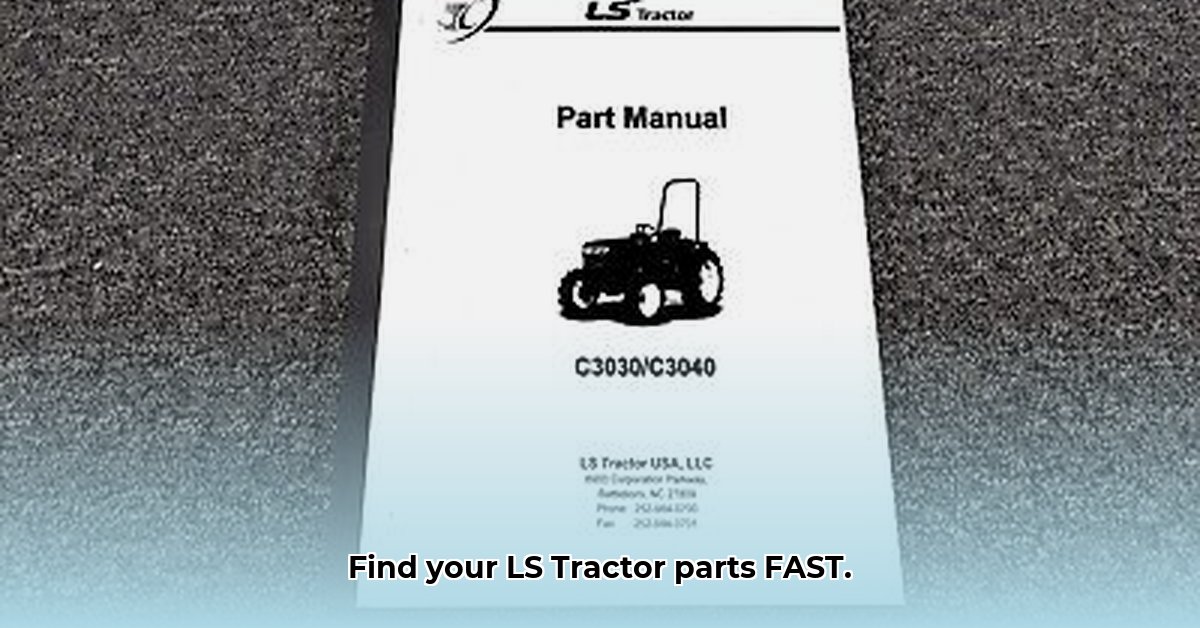
Keeping Your LS Tractor Running Smoothly: A Practical Guide to Parts and Maintenance
Tractor downtime means lost productivity and lost income. This guide provides a straightforward approach to sourcing LS tractor parts and performing essential maintenance, minimizing disruptions and maximizing your tractor's lifespan. We'll cover everything from finding the right parts to proactive maintenance strategies. For additional parts resources, check out this helpful parts guide.
Understanding Your Parts Needs: OEM vs. Aftermarket
Before your search begins, decide whether you need Original Equipment Manufacturer (OEM) parts (parts made specifically for your LS tractor model) or aftermarket alternatives. OEM parts guarantee a perfect fit and optimal performance, often backed by a warranty. Aftermarket parts can be cheaper, but quality varies significantly. For critical tractor components, the reliability of OEM parts usually outweighs the cost savings of aftermarket options. Think of it like choosing between name-brand and generic engine oil – you might save a few dollars, but are you willing to risk engine damage?
Locating the Right Parts: A Step-by-Step Approach
Finding LS tractor parts isn't always straightforward, but a systematic approach simplifies the process:
Your Local Dealership: Your Primary Source: Start with your local LS tractor dealership. They're your primary source for genuine OEM parts and expert advice. Building a strong relationship with your local dealer ensures swift parts procurement and personalized support. This is often the fastest and most reliable method.
Dealer Websites: Online Access to Parts Inventories: Many dealerships maintain online parts inventories, offering convenient browsing and ordering capabilities. Check your local dealer's website and those in your region. This offers a convenient alternative to in-person visits.
Online Marketplaces: Proceed with Caution: While online marketplaces offer a wider selection, exercise caution. Thoroughly vet any seller before purchasing. Look for reviews, established seller history, and a clear return policy. Beware of counterfeit parts – their initial cost savings can quickly be wiped out by subsequent repairs or further damage.
Mastering Your Parts Search: Essential Tips
Precision is Key: Always have your tractor's model number and serial number readily available. This ensures you order the correct parts. Remember, the wrong part can lead to expensive repair costs and even safety issues.
Utilize Parts Diagrams: Many dealer websites offer parts diagrams. These visual aids significantly aid part identification, minimizing the risk of ordering incorrect components. A picture is often worth a thousand words, and saves time and errors on your order.
Don't Hesitate to Ask for Help: If you're unsure, contact your dealer's parts department. They're the experts and can provide invaluable guidance. Their expertise significantly reduces the risk of making costly mistakes.
Proactive Maintenance: Preventing Problems Before They Arise
Regular tractor maintenance significantly reduces the likelihood of costly repairs and downtime. Think of it as an investment in sustained productivity.
Develop a Maintenance Schedule: Create a routine maintenance schedule that includes regular checks of fluids (oil, coolant, transmission fluid), filters (air, fuel, oil), and belts. Early detection of minor issues prevents them from escalating into major, costly repairs.
Address Small Issues Immediately: Don't ignore minor issues. A small squeak or a slightly sluggish response can indicate larger underlying problems. Address them promptly to prevent costly future repairs and potential safety hazards. This simple act can prevent more complex breakdowns down the road.
Building a Strong Partnership with Your Dealer
Maintaining a positive relationship with your local dealer is crucial. They're your resource for parts, advice, and emergency repairs. Consistent communication fosters trust and ensures efficient service when you need it most. A great dealer relationship is an invaluable asset for any farmer.
Comparing Prices and Options: Finding the Best Value
When multiple options exist, compare prices. However, quality should always be a primary consideration. A slightly more expensive, higher-quality part often proves more cost-effective in the long run by extending its lifespan and preventing premature failure. Prioritize quality over cheap alternatives for your tractor.
Emergency Preparedness: Minimizing Downtime
Unexpected breakdowns happen. Having a small stock of frequently needed parts on hand minimizes downtime during critical periods. Identify parts prone to failure and keep spares available. Being prepared for the worst-case scenario is always wise.
This guide provides a practical framework for efficiently sourcing LS tractor parts and performing essential maintenance. By combining these strategies, you can significantly reduce downtime, extend your tractor's lifespan, and optimize its performance. Remember that proactive maintenance is the most cost-effective approach to keeping your tractor in top working condition.